Welsh Corgi Christmas Card Embroidery Review
As a designer who has spent years turning digital files into tangible, stitched treasures for clients and my own shop, I know that the difference between a good design and a great one often comes down to how it translates from screen to fabric. Today, I am putting the Welsh Corgi Christmas Card through its paces. This isn't just about looking at a pretty illustration; it is about evaluating whether this specific embroidery design will hold up under the needle, look professional on a finished product, and actually delight the person receiving it.
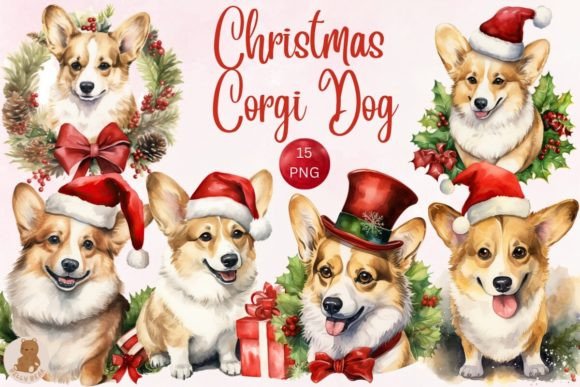
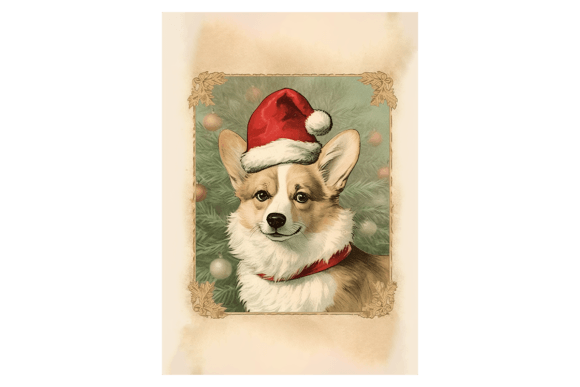
The first thing you notice with Welsh Corgi Christmas Card is the mood. It captures that cozy, nostalgic feeling of holiday gatherings without being overly cluttered. The layout feels balanced, suggesting a design that was thoughtfully composed rather than just slapped together. For anyone running a craft business or selling handmade goods on Etsy, that initial visual appeal is crucial. It screams "personalized gift" before a single stitch is placed. Whether you are planning to use this as a machine embroidery design for a custom sweatshirt or a delicate applique design for a baby's christening outfit, the character of the image sets the stage for a high-quality finished product.
Real-World Application: From Screen to Stitch
Let me walk you through a scenario where I recently tested this design. I was preparing a batch of custom embroidered tote bags for a local holiday market. The goal was to create something affordable yet charming that would catch the eye of passersby. I selected Welsh Corgi Christmas Card as the centerpiece. My concern was always going to be how the details would read on canvas, a fabric that can sometimes eat away fine lines if the stitch density isn't perfect.
After stabilizing the heavy cotton canvas properly, I ran the test. The results were surprisingly clean. The fill stitches held their shape well, creating a solid base for the corgi figure. The satin stitch used for the outlines provided enough definition to make the design pop against the textured background. When I pulled the bag out of the hoop, the reaction was immediate. It looked like a premium boutique item, not a mass-produced novelty. This is exactly what small shop owners need when they are trying to justify a higher price point for their merchandise. Customers trust designs that show attention to detail, and Welsh Corgi Christmas Card delivers that professionalism.
I also considered how this design might translate to other common items in an embroiderer's repertoire. Imagine this same design on a soft fleece sweatshirt for a winter gift. The contrast of the thread colors against the dark fabric would likely create a striking visual impact. Or perhaps on a white kitchen towel, where the running stitch details could add a touch of whimsy to a holiday gathering. The versatility here is key. A good digital embroidery file should work across multiple mediums, and this design seems to have the flexibility to move from apparel to home decor without losing its charm.
Where Caution is Required
However, no design is without its challenges, and as a reviewer, I believe it is my duty to highlight where Welsh Corgi Christmas Card might require extra care. If you are working with small hoop sizes, you need to be mindful of the scale. While the design is likely compact, squeezing intricate details into a tiny area can lead to thread breaks or a muddy appearance. Always check the recommended hoop size before committing to a project.
Fabric choice is another critical factor. Stretchy fabrics, like those found in many caps or fitted t-shirts, demand a rigid stabilizer to prevent puckering. If you attempt to stitch this design directly onto a thin, flimsy material without adequate backing, the tension of the stitching could distort the fabric, ruining the intended look of the card. Similarly, dark fabrics present a challenge. Unless you are using a specific color palette designed for high contrast, some of the lighter threads might get lost in the weave. I recommend testing your thread colors on a scrap piece of your target fabric first to ensure the visual punch remains intact.
Dense stitch areas are also worth noting. If the design relies heavily on tight fills, it may become stiff and uncomfortable on wearable items like aprons or pillow covers. You want the embroidery to enhance the garment, not weigh it down. For products that need frequent washing, such as baby clothes or daily-use towels, ensuring the stitch density is appropriate for durability is essential. Loose stitches might snag, while overly dense ones might cause the fabric to tear over time.
Visual Appeal and Customer Trust
In the world of handmade products, the visual presentation is everything. A design like Welsh Corgi Christmas Card does more than just decorate; it builds brand consistency. When customers see a cohesive collection of items featuring this style, they begin to associate that quality with your entire shop. It signals that you are a creative entrepreneur who cares about the aesthetic of their output.
The clarity of the stitching directly impacts customer trust. If the design looks crisp and well-executed, buyers assume the rest of the product is made with the same level of care. Conversely, any blurring or misalignment can raise doubts about the overall quality. This design appears to have strong lines and clear separation between elements, which helps maintain that sense of reliability. For Etsy sellers and digital product sellers, this clarity is vital for creating accurate printable mockups. Your digital previews need to show exactly what the customer will receive, and a design with good structural integrity makes that easier to achieve.
Practical Designer Notes for Success
Before you rush to start stitching, there are a few practical steps every experienced maker should take. First, always test the design on scrap fabric. This simple step can save you hours of frustration and wasted materials. Check the thread color contrast carefully; sometimes a color that looks perfect on a monitor appears dull once stitched. Review the stitch density settings in your software to ensure they match the fabric weight you are using.
If you plan to sell finished items, confirm the licensing terms associated with the file. Not all digital embroidery files allow for commercial use, and assuming otherwise can lead to legal issues. Inspect the small details of the design, especially if you are scaling it down. Tiny lettering or minute decorative accents often disappear when reduced in size. Additionally, compare light and dark fabric backgrounds to see how the design adapts. Using proper stabilizer is non-negotiable for a professional finish; choose a cut-away for stable garments and a tear-away for lightweight projects.
Finally, consider the end use. Is this for a personalized gift where uniqueness matters most? Or is it for a commercial embroidery project where speed and consistency are key? Welsh Corgi Christmas Card fits well in both categories, but the execution will differ. For a custom apparel project, focus on the feel of the embroidery on the skin. For a patch or a boutique product, focus on the durability and edge finishing.
Ultimately, Welsh Corgi Christmas Card stands out as a versatile and charming addition to any embroidery library. It balances festive spirit with technical feasibility, making it a smart choice for hobbyists and professionals alike. By paying attention to fabric selection, stabilizer usage, and stitch settings, you can transform this digital asset into a beloved handmade product that brings joy to recipients and value to your business.