Santas Elves Christmas Card: A Designer's Real-World Review
When I first opened the file for Santas Elves Christmas Card, I didn't just see a collection of shapes; I saw a potential bestseller for the holiday season. As someone who has spent years testing digital assets on everything from heavy denim to delicate silk, my initial reaction is always grounded in practicality. This design falls squarely into the Illustrations category, but its true value lies in how it translates from a screen to a needle and thread. It carries a specific mood that is both nostalgic and lively, perfect for capturing that festive spirit without feeling overly generic.
The First Impression: Mood and Visual Personality
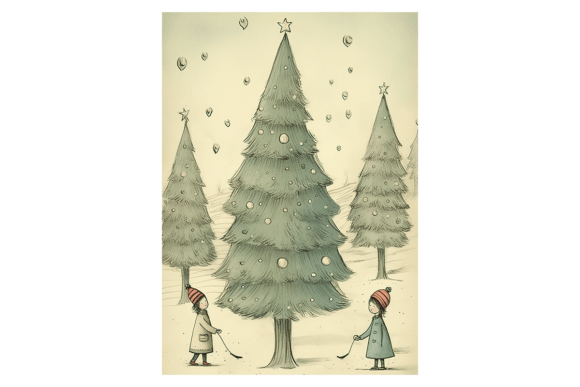
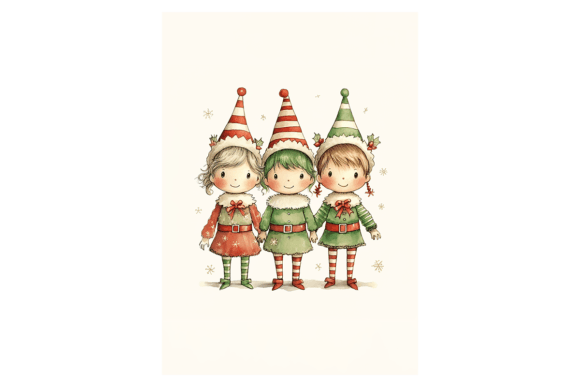
The layout of Santas Elves Christmas Card immediately suggests a narrative. It isn't just a static image; it feels like a snapshot of a busy workshop or a playful scene waiting to be stitched. The visual personality is warm and inviting, which is crucial when you are trying to connect with customers browsing Etsy or walking through a craft fair booth. Unlike some rigid geometric patterns, this design breathes. It creates a sense of movement that works exceptionally well for holiday-themed projects where storytelling matters.
From a design perspective, the balance between detail and simplicity is where this piece shines. It avoids the trap of being too cluttered, which often leads to muddy results in machine embroidery. Instead, it offers distinct areas that can be defined by different stitch types. You can almost visualize the satin stitch defining the outlines of the elves' hats and the fill stitch creating the texture of their coats. It feels ready for real-world application, not just a digital mockup.
Real-World Application: From Tote Bags to Nursery Decor
I recently tested a similar workflow while preparing a custom order for a boutique client who needed unique custom apparel for their staff during the holidays. We considered several designs, but Santas Elves Christmas Card stood out for its versatility. Imagine stitching this onto a high-quality canvas tote bag. The design would pop against a neutral fabric, turning a simple carry-all into a statement piece that customers would love to wear or use as a gift.
Beyond bags, this design has a natural home on sweatshirts and baby clothes. The theme fits perfectly with holiday embroidery trends where parents want something adorable for their little ones. Picture a soft cotton onesie embroidered with these elves near the hemline. It adds a layer of personalization that makes the handmade product feel special. For those running a small shop, this could easily become a staple item for Etsy listings or seasonal collections.
I also envision this working beautifully on kitchen textiles. An apron featuring Santas Elves Christmas Card would add a touch of whimsy to a holiday gathering, while a tea towel could serve as a charming personalized gift. The design's structure allows it to scale up or down, making it suitable for various products like pillow covers, blankets, or even an embroidered patch for jackets. Its adaptability is a key asset for any craft business looking to maximize their inventory with minimal new design costs.
Where Caution is Required: Fabric and Hoop Limitations
While the design is robust, every machine embroidery design has its limits. I need to be realistic about where Santas Elves Christmas Card might struggle. If you are planning to use this on a curved surface like a cap, you must ensure your hoop size accommodates the curvature without distorting the central details. Small hoop sizes can sometimes compress intricate elements, causing them to look squashed or lost in the background.
Fabric choice is another critical factor. Textured fabrics, such as chunky knits or bouclé, can hide the fine lines of the design. Similarly, thin or stretchy fabrics require careful stabilizer selection to prevent puckering. If the stitch density is high in certain areas, using a lightweight jersey might result in a stiff, uncomfortable garment. Dark fabrics present their own challenge; unless you plan to use a substantial underlay or a contrasting thread color, the details might get swallowed by the material.
Furthermore, if the design includes tiny lettering or very small decorative accents, proceed with caution. These elements often require a larger hoop and a stable fabric to remain legible after washing. Products that will undergo frequent laundering, like work aprons or daily-use towels, should be tested thoroughly to ensure the satin stitch and fill stitch hold up over time without fraying or losing definition.
Impact on Product Value and Brand Consistency
The quality of the embroidery directly influences customer trust and brand perception. A clean, well-executed Santas Elves Christmas Card elevates the perceived value of your finished product. When a buyer sees crisp edges and balanced colors, they assume the entire handmade item was crafted with care. Conversely, a sloppy execution can undermine the professionalism of your small shop product.
This design supports strong brand consistency because of its clear visual identity. Whether you are selling commercial embroidery items or creating digital embroidery files for others to use, the distinct style of the elves helps create a recognizable aesthetic. In the crowded market of creative entrepreneurs, having a cohesive look across your design assets helps buyers identify your work instantly. It turns a simple transaction into a memorable experience, enhancing buyer engagement and encouraging repeat purchases.
Practical Notes for the Embroidery Designer
Before committing to a full production run, there are essential steps you must take. Always test the design on scrap fabric first. This allows you to check thread color contrast and ensure the running stitch and other details translate correctly to your specific material. Review the stitch density carefully; if the file is too dense, it may require trimming or adjusting to prevent bulkiness.
Confirm your hoop size matches the design dimensions. If the design is large, you may need to split it or use a larger frame. Inspect small details under good lighting to ensure no elements are too fine to stitch accurately. It is also wise to test the design in black and white mockups to verify that the contrast holds up regardless of the final thread colors. Compare how it looks on both light and dark fabric backgrounds to make informed decisions about your color palette.
Using the proper stabilizer is non-negotiable for a professional finish. Depending on your fabric, you might need cut-away or tear-away backing to support the weight of the stitches. Finally, double-check whether the license allows for both personal and commercial projects. Many digital product sellers overlook this, leading to legal issues later. Confirming licensing before selling finished items or distributing printable mockups protects your embroidery project and your reputation.
In conclusion, Santas Elves Christmas Card is a versatile and charming addition to any designer's library. It offers the right mix of festive cheer and structural clarity to succeed in real-world applications. By paying attention to fabric choices, stabilizers, and testing protocols, you can transform this illustration into a stunning finished product that delights customers and strengthens your brand.